
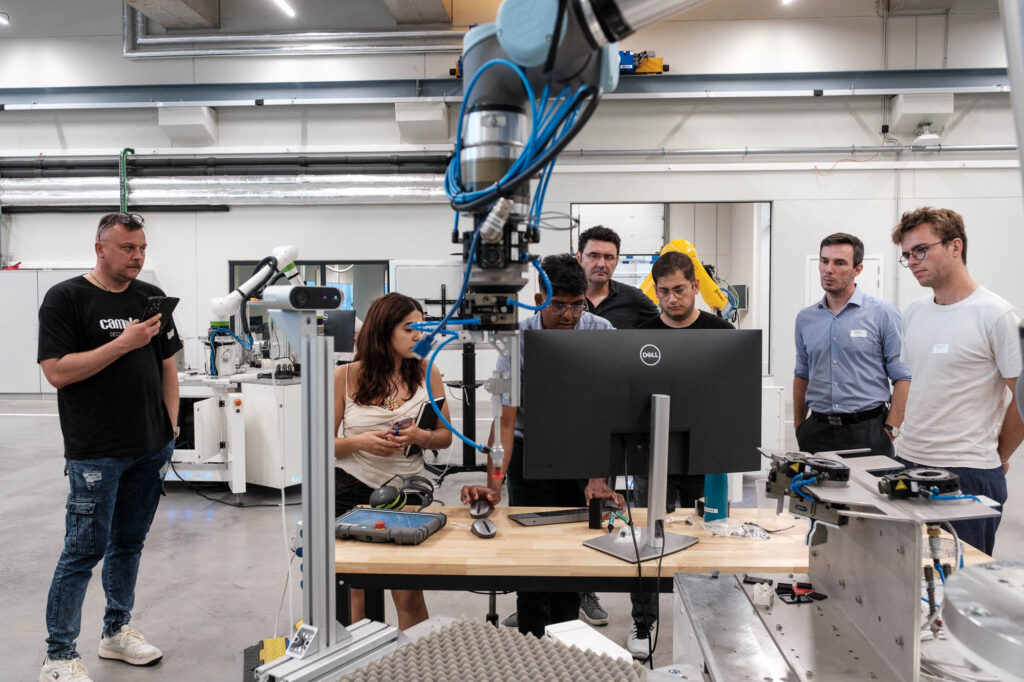
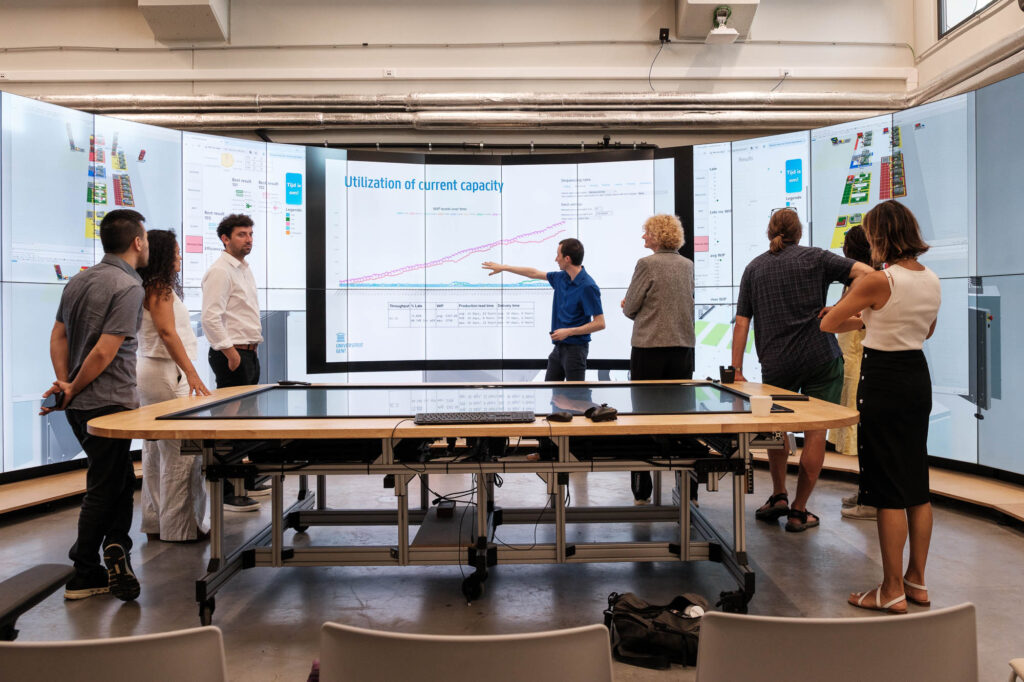
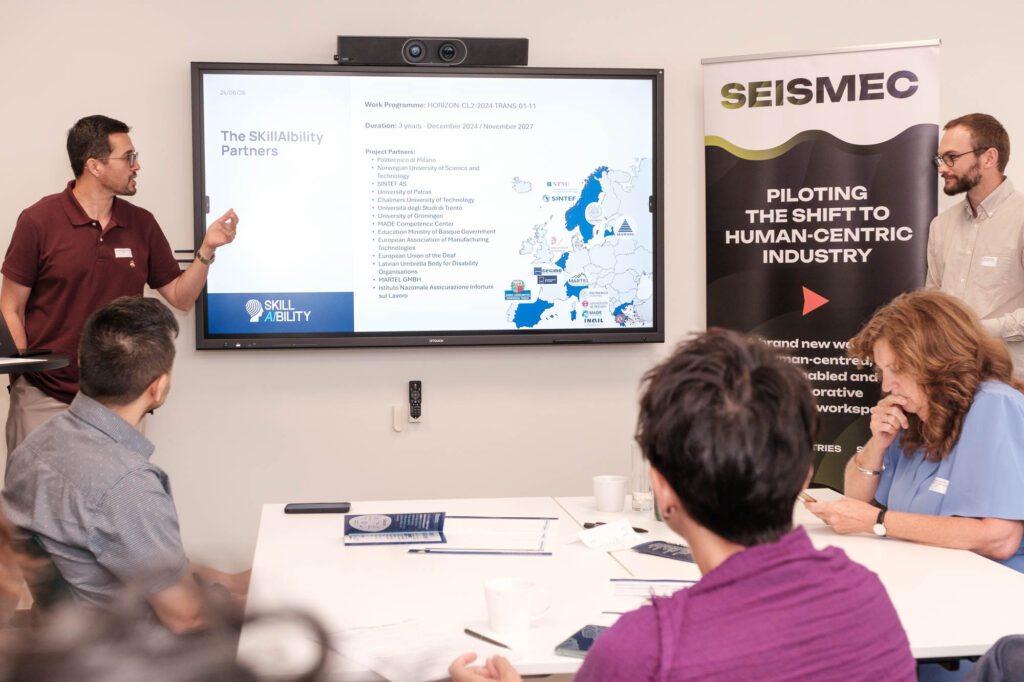
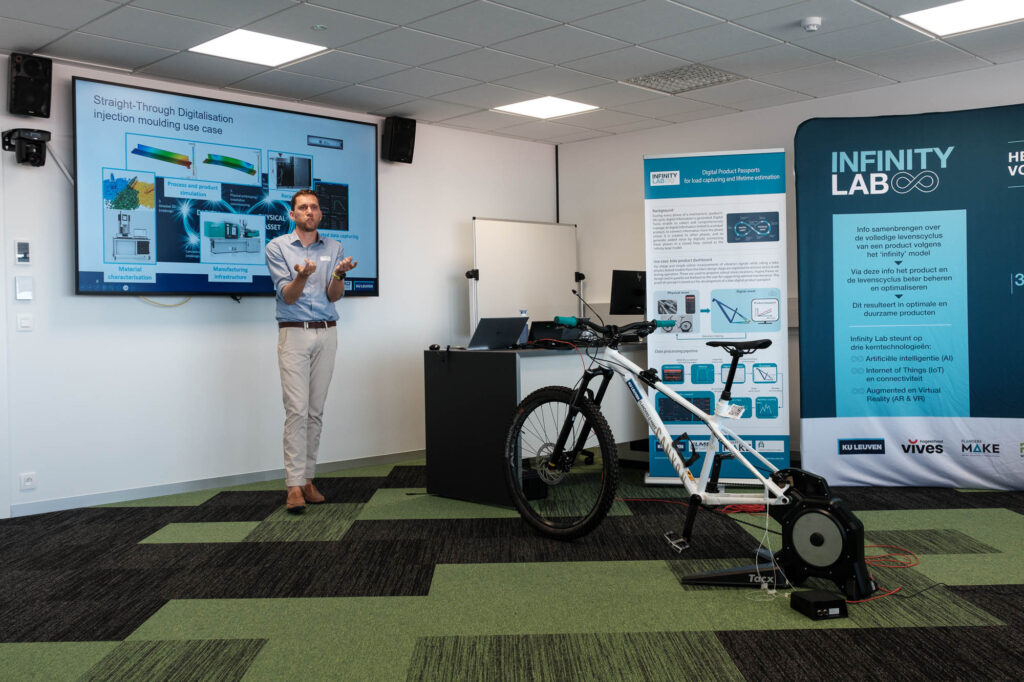
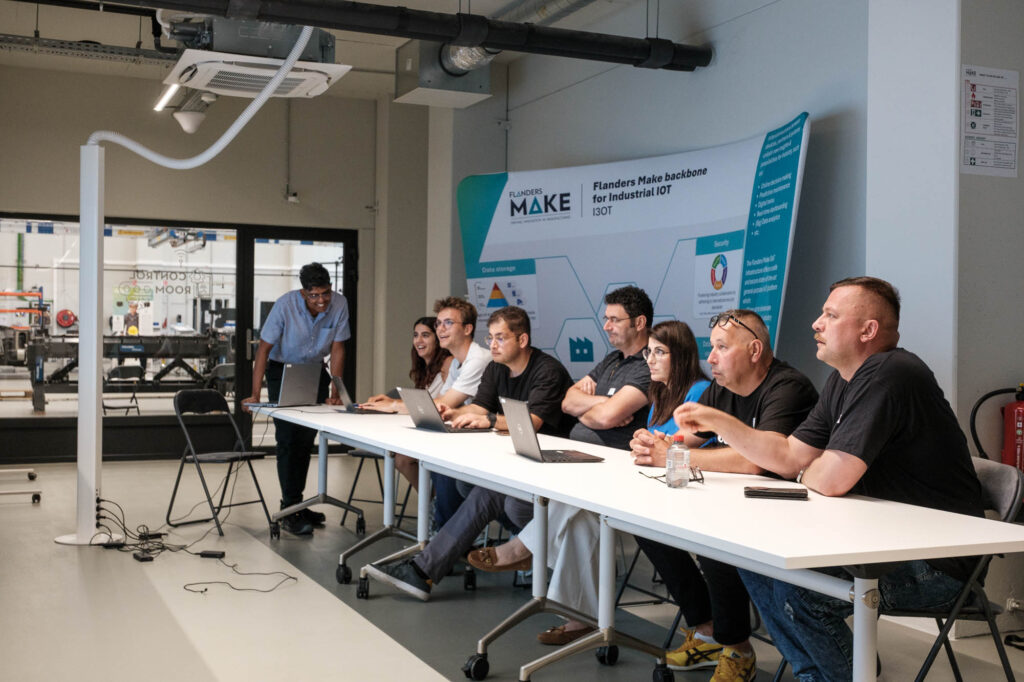
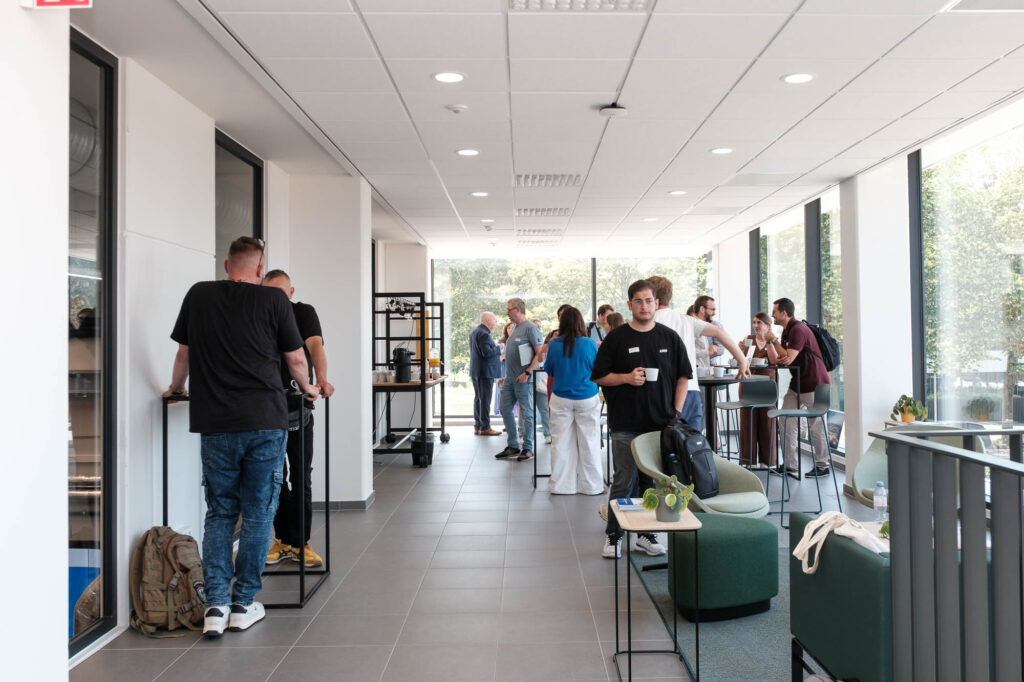
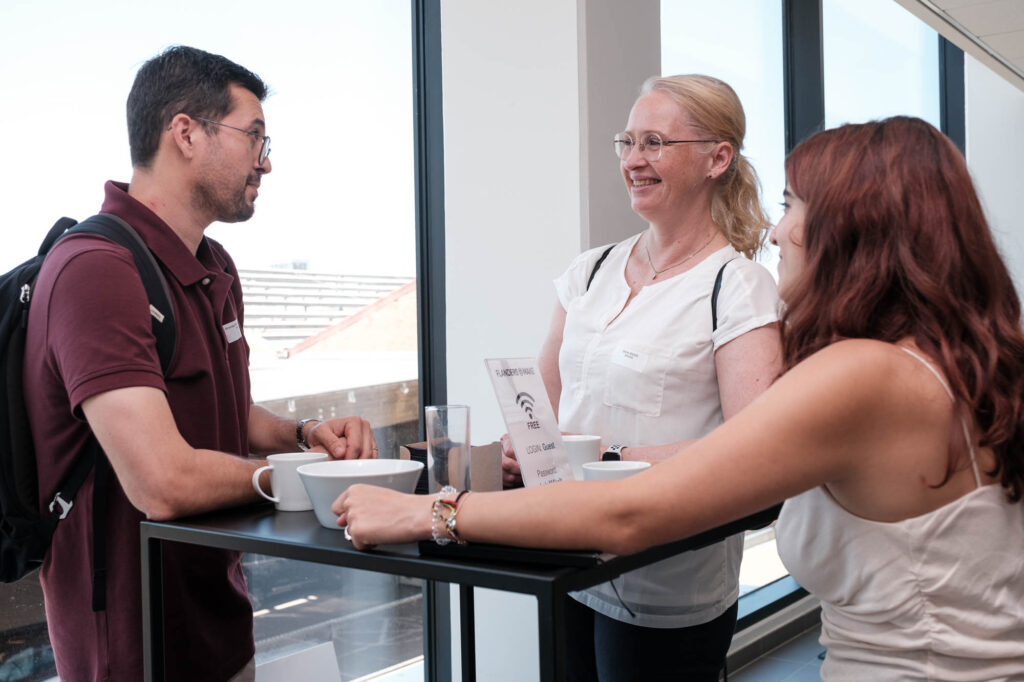
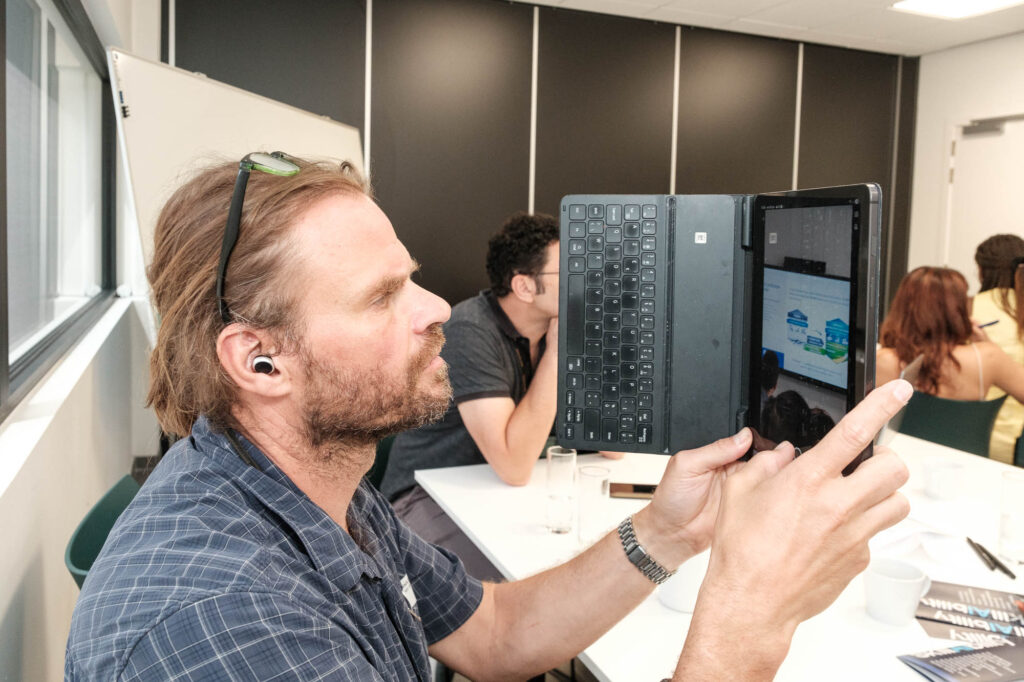
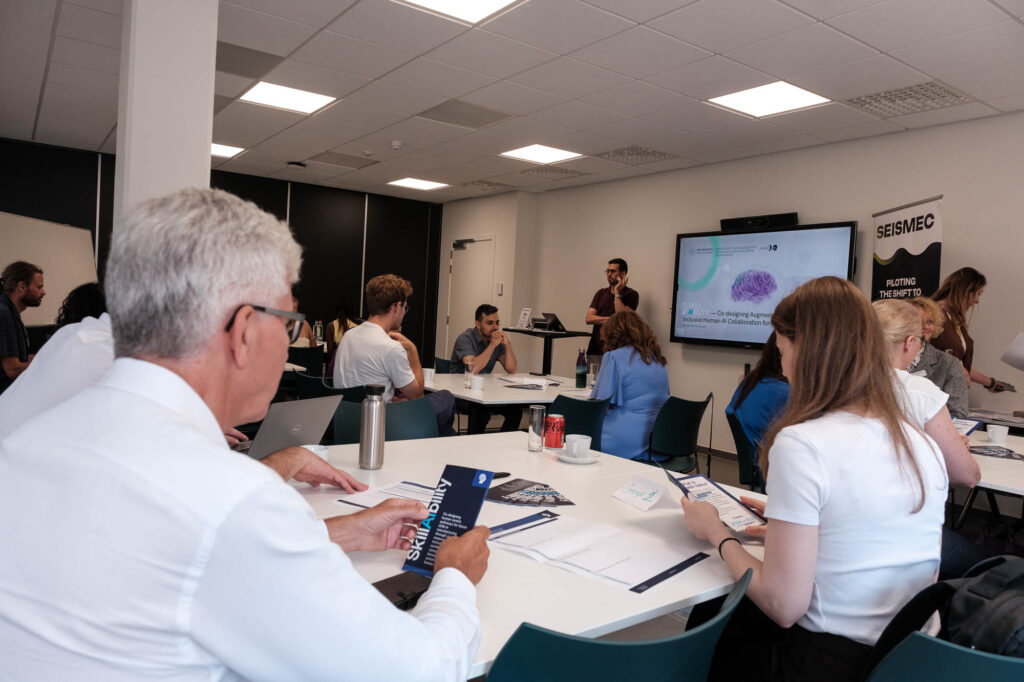
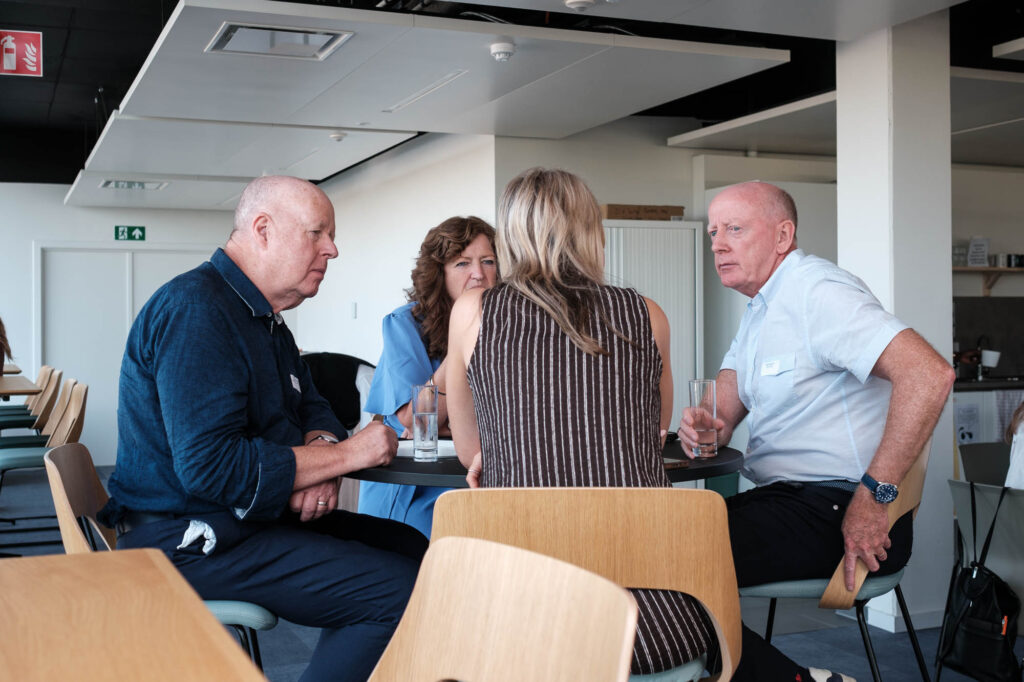
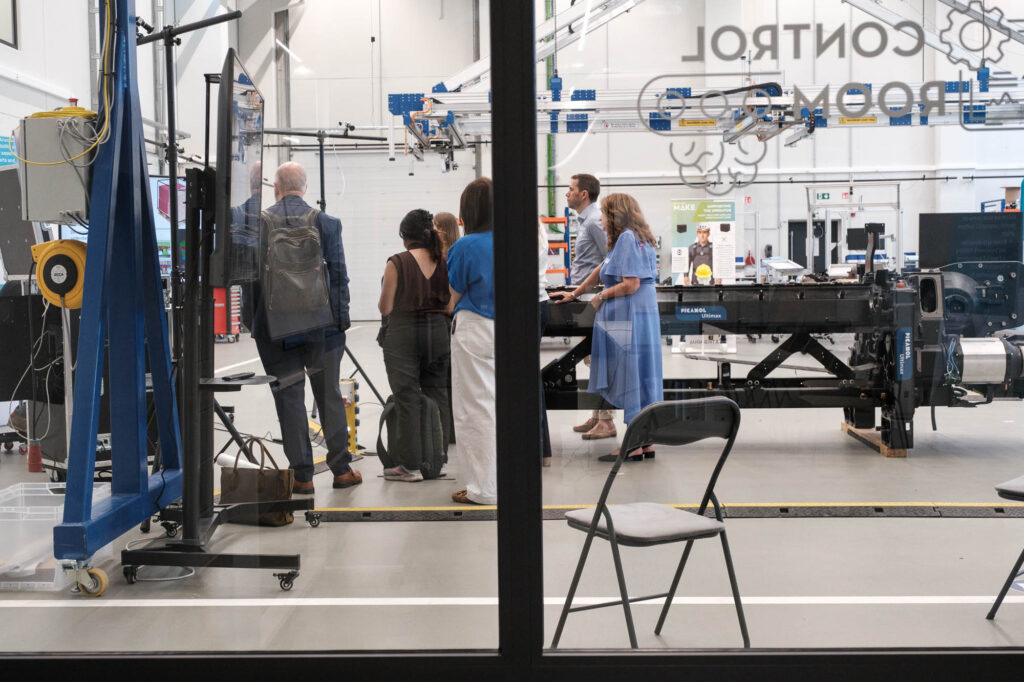
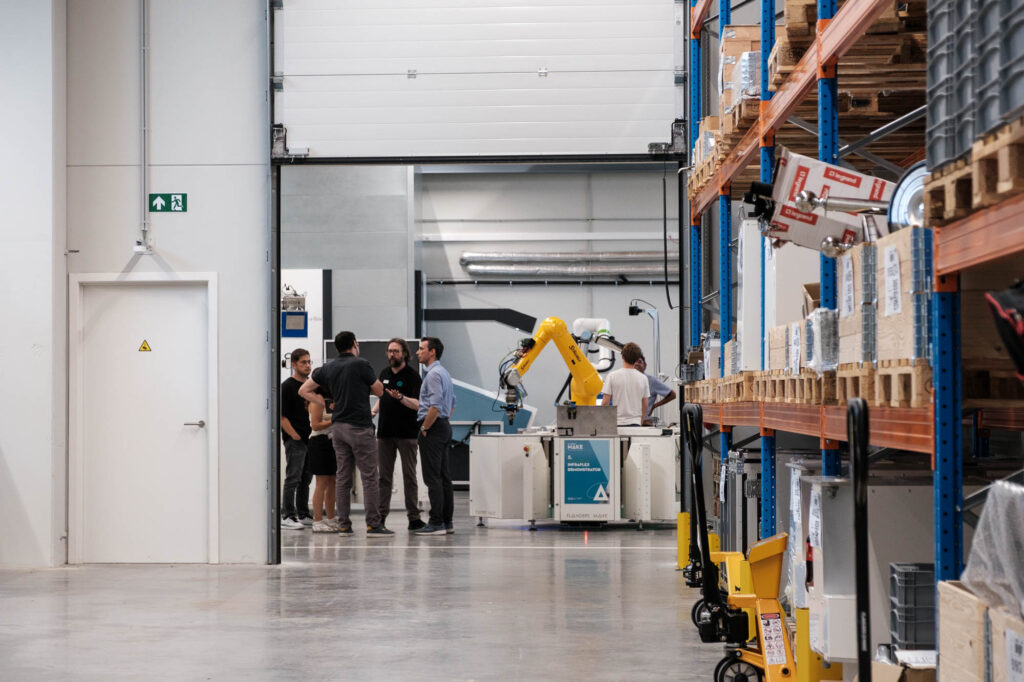
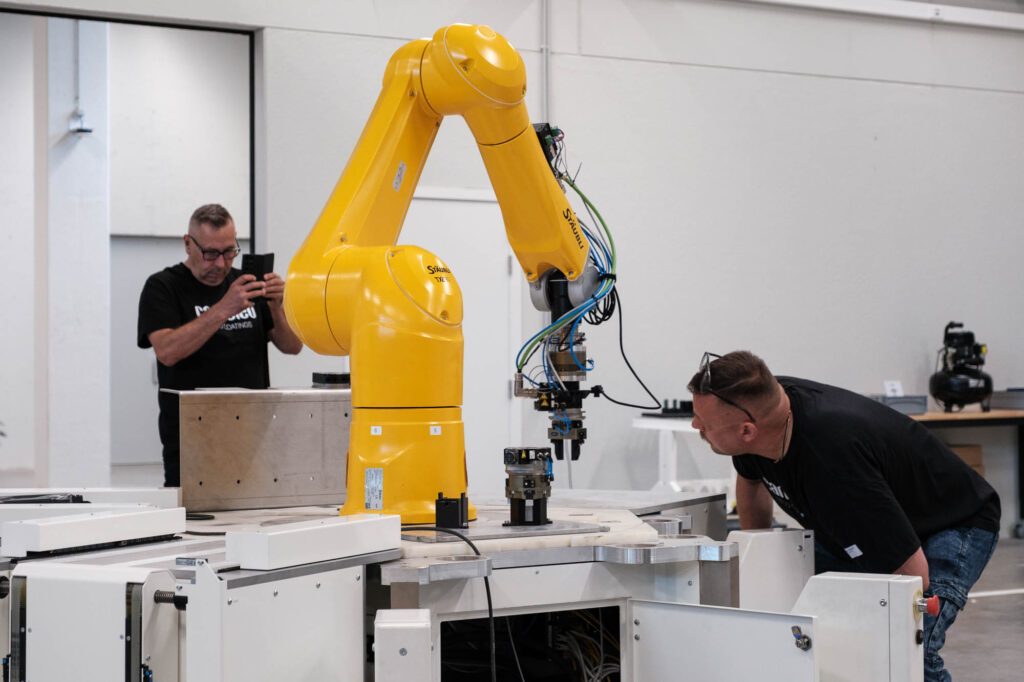
The Industry 5.0 Summer Sessions brought together manufacturers, researchers, SMEs, policymakers and innovation experts to explore how Europe can accelerate the transition towards a more human-centric, sustainable and resilient industry. Co-organised by the Horizon Europe sister projects PROSPECTS 5.0, SEISMEC, BRIDGES 5.0 and the SkillAIbility project, and hosted by Flanders Make the event combined keynote presentations, hands-on demonstrations and collaborative workshops designed to turn Industry 5.0 principles into practical action.
Rather than focusing solely on technology, the event highlighted a broader question: How can artificial intelligence strengthen people, organisations and industrial competitiveness at the same time?
Industry 5.0 Summer Sessions highlight the importance of people-centred innovation
The opening keynote by Peter Totterdill (Workplace Innovation Europe) reinforced one of the central principles of Industry 5.0: digital transformation should improve both organisational performance and workers’ wellbeing.
Instead of viewing automation as the ultimate goal, Industry 5.0 promotes an industrial model built on three interconnected pillars:
- Human-centricity
- Sustainability
- Resilience
Throughout the discussions, speakers emphasised that technology alone does not create competitive advantage. Instead, organisations achieve the greatest impact when digital innovation is combined with workplace innovation, continuous learning and employee participation.
These messages closely reflect the vision of the SkillAIbility project, which supports organisations in preparing their workforce for effective and responsible human-AI collaboration.
Skills are essential for successful AI adoption
A recurring theme during the Industry 5.0 Summer Sessions was that successful AI implementation depends on understanding and developing workforce skills.
Among the practical examples presented was MADE Competence Center’s AI-powered Skills Analysis tool, which evaluates AI maturity across seven dimensions, including awareness, operational use, prompting, critical evaluation, governance and organisational integration.
This demonstrates an important shift taking place across European industry. Rather than delivering generic training programmes, organisations increasingly need evidence-based approaches that identify existing capabilities, uncover skills gaps and design targeted learning pathways.
The SkillAIbility project shares this vision by developing innovative methods and tools that help organisations identify future skills needs and support workers throughout the digital transition.
Human-centric AI requires collaboration and co-design
Another important message emerging from the Industry 5.0 Summer Sessions was that people must actively participate in technological change.
Research presented during the event showed that technology adoption is significantly more successful when:
- workers participate in the design process from the beginning;
- AI supports rather than replaces human decision-making;
- organisations redesign workflows around new technologies;
- learning becomes continuous instead of a one-off activity.
These findings demonstrate that Industry 5.0 is not simply about introducing new technologies. Instead, it is about creating environments where people, technology and organisations evolve together.
This human-centred approach is at the core of the SkillAIbility project.
From Industry 5.0 vision to practical implementation
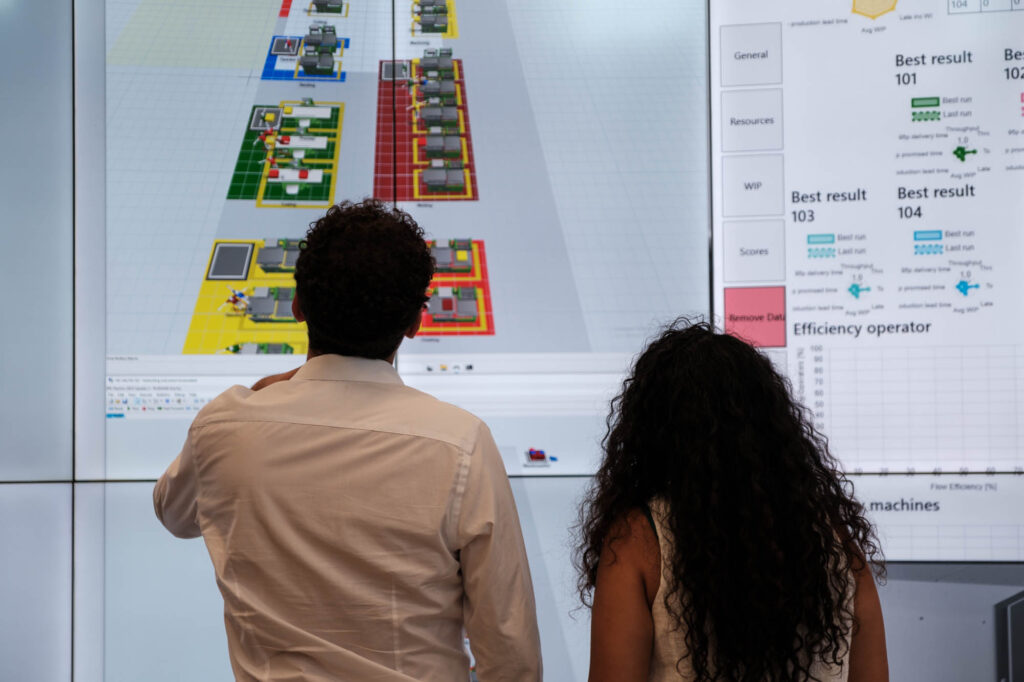
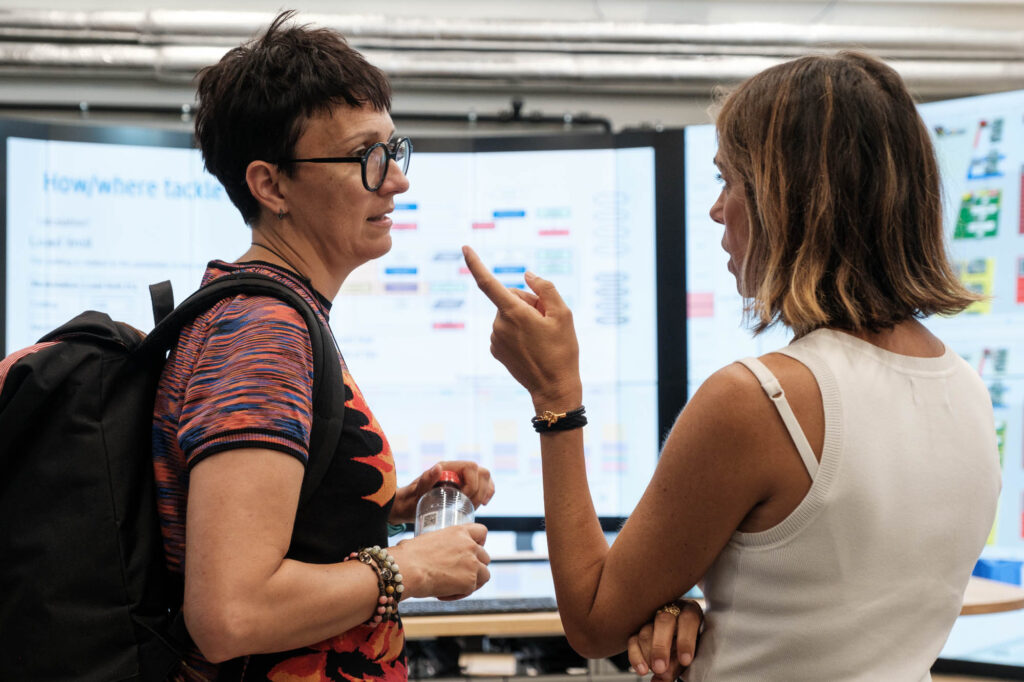
Unlike a traditional conference, the Industry 5.0 Summer Sessions encouraged participants to work on real industrial challenges.
Companies collaborated with researchers and innovation experts to develop practical transformation roadmaps using methods, tools and experiences from the participating Horizon Europe projects.
For the SkillAIbility project, the event provided an excellent opportunity to exchange knowledge with industry stakeholders, demonstrate how AI-powered skills development can support industrial transformation, and strengthen collaboration across Europe’s growing Industry 5.0 ecosystem.
Building Europe’s Industry 5.0 future together
The Industry 5.0 Summer Sessions confirmed that Europe’s industrial competitiveness will depend on much more than technological innovation.
Future success requires organisations to invest in people, continuously develop workforce skills and create workplaces where humans and AI collaborate effectively.
The SkillAIbility project is proud to contribute to this vision by supporting the development of skills, methodologies and practical solutions that place people at the centre of Europe’s digital and industrial transformation.
Together with our sister projects and industrial partners, we are helping shape a more human-centric, sustainable and resilient future for European industry.
 English
  Italian
  Spanish
  Danish
  Latvian
  Norwegian
  Greek
Greek