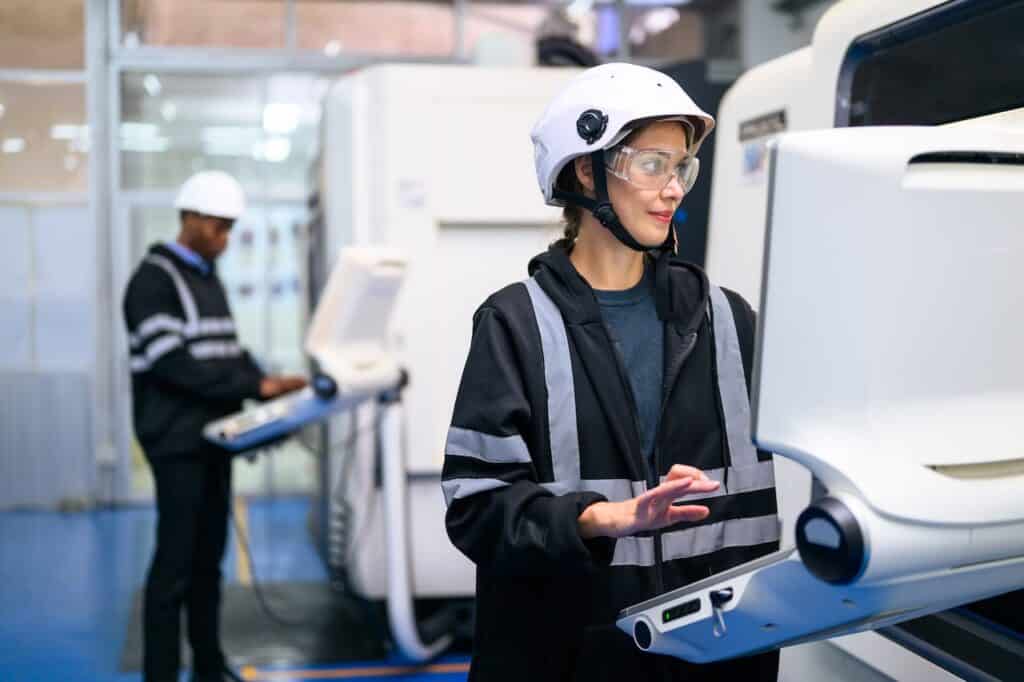
Rapid technological and societal shifts are redefining how we work, live, and produce. Global megatrends – broad, transformative forces impacting every corner of the economy – are accelerating this change. As these trends reach tipping points, they trigger irreversible shifts in technologies, labor markets, and organizational structures. Understanding their impact is critical for shaping the future of work in a way that is inclusive, sustainable, and human-centric and our project is aming to do this.
The challenge of predicting AI’s impact on work
Technological transformations are often unpredictable due to their non-linear and fast-paced nature. However, several tools are helping researchers and policymakers assess how technology will impact human skills and industrial jobs. These include trend radars for emerging tech, patent analysis to track commercialization, and AI-powered skill gap assessments. Reports such as the World Manufacturing report have also introduced the idea of “global tipping points” that may reshape entire sectors.
Demographics are redefining the workforce
Europe is experiencing significant demographic changes. As birth rates decline and populations age, particularly in advanced economies, the availability of experienced workers is falling. By 2050, an estimated 30% of the EU population will be over 65. This trend has major implications for productivity and talent pipelines in sectors like manufacturing. Companies are adapting by implementing age-inclusive policies, investing in health and wellbeing, and facilitating intergenerational knowledge transfer.
The green transition and skills for sustainability
Sustainability is not just a regulatory priority—it is a transformation of how we work. Green technologies, circular business models, and the European Green Deal are redefining job requirements. Workers must now understand eco-friendly processes and adapt to green regulations. As a result, companies are investing in upskilling to build resilience and meet climate targets.
Addressing widening skill gaps
Technological change – particularly through AI and robotics – is widening the skills gap in manufacturing. Many organizations are struggling to meet the rising demand for digitally skilled workers. In response, collaborative programs with educational institutions are emerging to help upskill the current workforce, although industry-wide commitment is still lagging behind the pace of change.
The growing demand for work-life balance
Employees are increasingly seeking flexible work arrangements and mental health support. Companies that respond to these needs can boost retention, morale, and productivity. Creating a resilient workforce means going beyond salary and benefits – toward a culture that prioritizes wellbeing and personal development.
Why DEI is a strategic imperative
Diversity, equity, and inclusion (DEI) are no longer optional. Inclusive hiring practices, mentorship programs, and accessibility initiatives are helping companies tap into broader talent pools. Policy-level efforts like the EU Diversity Charters are providing structured frameworks for embedding DEI into organizational governance. Forward-looking manufacturers now link inclusion with operational excellence and innovation.
Market fragmentation and strategic sutonomy
Shifts in geopolitics, trade policy, and supply chain disruption are fragmenting global markets. This is leading many manufacturers to reevaluate their global strategies in favor of more resilient, regionalized production models. Strategic autonomy, rather than global efficiency alone, is becoming a key competitive advantage.
Conclusion
The future of work is being shaped by intersecting megatrends—from demographic shifts and AI to sustainability and inclusion. Each of these trends presents both risks and opportunities. Our project is exploring how to turn these transformations into pathways for inclusive, human-centric, and competitive industrial growth in Europe.